

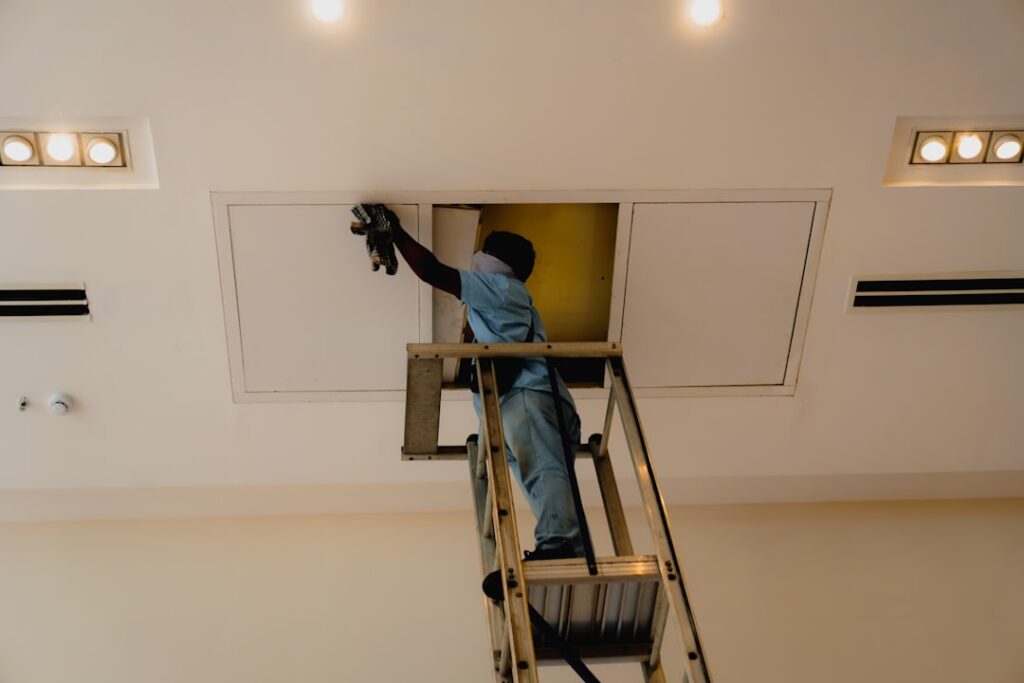
Why Spring is the Best Time for Your Spring AC Maintenance Checklist for Twin Cities Homeowners
In the Twin Cities, spring isn’t just a season of blooming lilacs and melting snow; it is the “sweet spot” for HVAC care. We often tell our neighbors in St. Louis Park and Edina that timing is everything. The transition from the sub-zero temperatures of a Minnesota winter to the sweltering humidity of a July afternoon happens faster than most people realize. If you wait until the first 90-degree day in June to see if your cooling system works, you’re joining the “May Rush.” This is the period when every homeowner in Minneapolis and St. Paul realizes their AC is struggling, leading to long wait times and fully booked schedules.
By preventing AC problems before summer arrives, you ensure that your home remains a sanctuary during those humid July nights. Furthermore, regular AC service is crucial because most major manufacturers require documented annual maintenance to keep your warranty valid. If a major component like the compressor fails in May 2026, the manufacturer may ask for proof of maintenance before covering the part. Without that documentation, you could be left responsible for a repair that should have been covered.
Statistics show that 87% of emergency calls could have been avoided with a simple spring check-up. When a system sits dormant for six months, components can seize, electrical connections can loosen, and debris can settle in vital areas. By tackling your spring ac maintenance checklist for twin cities homeowners early, you beat the heat and the crowds, ensuring your family stays comfortable from the very first warm day of the year.
Essential Steps for Indoor and Outdoor Preparation

Minnesota winters are notoriously hard on outdoor equipment. Between heavy snow loads, ice accumulation, and the salt used on walkways, your outdoor condenser unit has been through a lot since last year. The freeze-thaw cycles common in the Twin Cities can cause the ground to shift, potentially tilting your unit or putting stress on the refrigerant lines.
The first step in any spring maintenance tips for HVAC system guide is to remove any winter covers. While covers can protect against debris, they also trap moisture and provide a “luxury apartment” for rodents like mice who love to chew on electrical wiring during the freeze. Once the cover is off, ensure you have at least a two-foot clearance around the entire unit. Trim back any shrubs, perennials, or low-hanging branches that have crept closer over the years. Airflow is the lifeblood of your AC; if the unit can’t “breathe,” it will overheat and fail.
In the Twin Cities, we have a specific seasonal nemesis: cottonwood seeds and maple “helicopters.” These fluffy white seeds and winged pods can act like a blanket, wrapping around your condenser coils and choking off airflow. A thin layer of dust or debris on these coils can cut your cooling efficiency by as much as 30%. Use a garden hose on a low-pressure mist setting to gently rinse the coils from the outside in. Never use a pressure washer, as the high pressure can easily bend the delicate aluminum fins, causing permanent damage to the heat exchange process.
| Sign | Normal Startup | Abnormal (Red Flag) |
|---|---|---|
| Sound | Consistent hum and fan whir | Grinding, screeching, or loud rattling |
| Airflow | Strong, cool air within 5 minutes | Weak airflow or warm air |
| Odor | Neutral | Burning smell or musty/mildew odor |
| Cycle | Runs for 15-20 minutes | Shuts off after 2-3 minutes (short-cycling) |
Essential DIY Steps for Your Spring AC Maintenance Checklist for Twin Cities homeowners
While some tasks require a pro, there are plenty of essential AC maintenance tips you can handle yourself. Start with the air filter. Replacing a clogged filter with a clean one can lower your AC’s energy consumption by 5% to 15%. For most Twin Cities homes, we recommend a MERV (Minimum Efficiency Reporting Value) rating between 8 and 11. This provides a great balance between capturing allergens like ragweed and maintaining proper airflow without straining the blower motor.
Next, head to your thermostat. If it’s not hardwired, replace the batteries now so they don’t die in the middle of a heatwave. Walk through your home and ensure all supply and return vents are open and unobstructed by furniture or rugs. Many homeowners believe closing vents in unused rooms saves money, but it actually increases “static pressure” in your ducts. This pressure can lead to a frozen evaporator coil or a blown blower motor, turning a small “saving” into a major repair.
Finally, don’t forget the condensate drain. Because Minnesota summers are so humid, your AC pulls gallons of water out of the air every day. This water exits through a small plastic pipe. Over time, algae and mold can grow inside, causing a clog that leads to water damage in your basement or attic. A simple flush with a cup of diluted white vinegar can keep that line clear and prevent a $25,000 flood damage headache. These important HVAC maintenance tips are simple but save you a fortune in the long run.
Professional Inspections and System Testing
Before you flip the switch for the season, there is a golden rule: The 60-Degree Threshold. Never test or run your AC if the outdoor temperature is below 60°F. Running the system in cold weather can cause the refrigerant to stay in a liquid state rather than vaporizing. This liquid can enter the compressor and destroy it—the compressor is the most expensive part of the system and is often referred to as the “heart” of your AC.
When the weather hits a consistent 65-70 degrees, it’s time to schedule pre-summer AC maintenance. However, you can do a preliminary test yourself to ensure everything is in working order before the first heatwave hits.
The 24-Hour Rule: Flip the AC circuit breaker on at least 24 hours before you plan to start the unit. Most modern units have a “crankcase heater” that needs time to warm up the oil in the compressor. This ensures a smooth startup and prevents “slugging,” which occurs when liquid refrigerant enters the compressor and mixes with the oil, causing catastrophic mechanical failure.
Once the 24 hours have passed, run the system for 15 minutes. Listen for unusual noises and feel the air coming out of the vents. If the air isn’t cold within five minutes, or if you hear a sound like a “bag of rocks” in the outdoor unit, shut it off immediately and call for help. Catching these issues in April means you won’t be waiting in line behind hundreds of other homeowners in June.
Why a Professional Tune-up is Part of a Complete Spring AC Maintenance Checklist for Twin Cities Homeowners
A DIY check is great, but a professional AC tune-up in Minneapolis goes much deeper into the mechanical and electrical health of your system. Our certified technicians check things the average homeowner can’t, such as refrigerant levels. Refrigerant isn’t “used up” like gas in a car; it circulates in a closed loop. If your levels are low, you have a leak that needs to be found and fixed to prevent the system from burning out.
We also perform air conditioning preventative maintenance in Minneapolis, MN, by testing the capacitor. The capacitor is like a giant battery that gives the motor the “kick” it needs to start. Capacitors are the #1 cause of AC failures in the summer because they are sensitive to heat and electrical surges. Catching a weakening capacitor in April is much better than having it pop on the Fourth of July when you have a house full of guests.
From checking electrical connections to lubricating the blower motor and cleaning the internal evaporator coil, a professional AC tune-up ensures your system operates at peak efficiency. Just a thin layer of dust on your internal coils can lead to a 30% efficiency loss, forcing your system to run longer and harder to achieve the same cooling effect. Professional cleaning pays for itself in lower utility bills and a longer system lifespan.
Frequently Asked Questions about Twin Cities AC Prep
When is the best temperature to test my AC?
As mentioned, the magic number is 60 degrees Fahrenheit. Testing below this temperature risks freezing the evaporator coil or damaging the compressor valves. Ideally, wait for a mild, sunny day in late April or early May when temperatures are between 65°F and 75°F. This gives you an accurate reading of how the system will perform under a light load and ensures the refrigerant is at the correct pressure for testing.
How often should I change my filters in the summer?
While the standard advice is every 90 days, Twin Cities homeowners often need to change them every 30 days during peak summer. If you have pets (looking at you, Golden Retriever and Lab owners!) or suffer from local pollen allergies, your filter will clog much faster. Use the “Light Test”: hold your filter up to a bright light. If you can’t see light passing through the fibers, it’s time for a new one. A clean filter is the easiest way to prevent your AC from freezing up.
What are the risks of skipping spring maintenance?
Skipping your spring ac maintenance checklist for twin cities homeowners is a gamble with your comfort and your wallet. Beyond the risk of a mid-July breakdown, you face significantly higher energy bills. A neglected system can cost 23% more to operate because it has to work harder to overcome dirty coils and clogged filters. There’s also the risk of “hidden” issues. For example, a cracked heat exchanger (checked during the heating portion of a tune-up) can pose carbon monoxide risks, and a clogged drain line can cause thousands of dollars in water damage to your flooring and drywall before you even notice a leak. Regular maintenance also extends the life of your equipment, delaying the need for a full system replacement by several years.
Conclusion
At Midland Heating & Cooling, we’ve spent over 70 years helping our neighbors in Bloomington, Minnetonka, and Wayzata stay comfortable regardless of what the Minnesota weather throws our way. As a local, family-owned business, we know exactly what the harsh winters and humid summers do to an HVAC system. We have seen every possible scenario, from rodent damage in Hopkins to cottonwood clogs in Excelsior.
Don’t wait for the “May Rush” to find out your AC isn’t up to the task of a Twin Cities summer. Whether you need a comprehensive HVAC maintenance plan in Minneapolis, MN or a one-time AC maintenance visit, our certified technicians are ready to help. We pride ourselves on 100% customer satisfaction and the deep local expertise that only seven decades of dedicated service can provide. Our goal is to ensure your home remains a cool, dry, and healthy environment for your family all season long.
Give your AC the “spring training” it needs today so you can enjoy a cool, worry-free summer tomorrow! Contact us to get your system ready for the heat.