

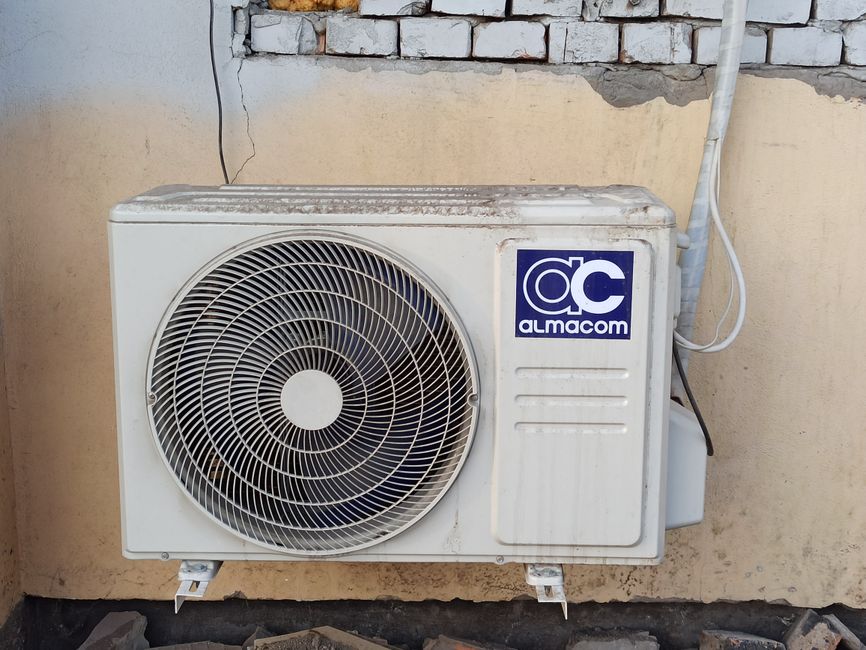
Why Dirty Condenser Coil Symptoms and Solutions Matter for Twin Cities Homeowners
Dirty condenser coil symptoms and solutions are something every Twin Cities homeowner should understand — especially heading into a hot Minnesota summer when your AC works overtime. If your home isn’t cooling like it used to, your energy bills are creeping up, or your outdoor unit sounds like it’s struggling, a dirty condenser coil could be the culprit. According to the U.S. Department of Energy, a dirty condenser coil can increase your energy use by up to 30% — and it’s one of the most common causes of AC overheating and early system failure.
Here’s a quick summary of the most common dirty condenser coil symptoms and what to do about them:
| Symptom | What It Means | What to Do |
|---|---|---|
| Reduced cooling | Dirt blocks heat transfer | Inspect and clean the coil |
| Higher energy bills | System works harder to compensate | Schedule a coil cleaning |
| Longer run cycles | AC struggles to reach set temperature | Clean coil or call a technician |
| Warm air from vents | Severe heat transfer failure | Professional inspection needed |
| Ice buildup on lines | Restricted airflow or low refrigerant | Turn off unit, call a pro |
| Unusual noises | Fan motor or compressor strain | Professional diagnosis recommended |
| Visible debris on coil | Direct airflow blockage | DIY debris removal or professional cleaning |
The good news is that most dirty coil problems are preventable and fixable — often before they become expensive repairs. This guide walks you through exactly how to spot the signs, clean your coils safely, and know when to call in a professional.
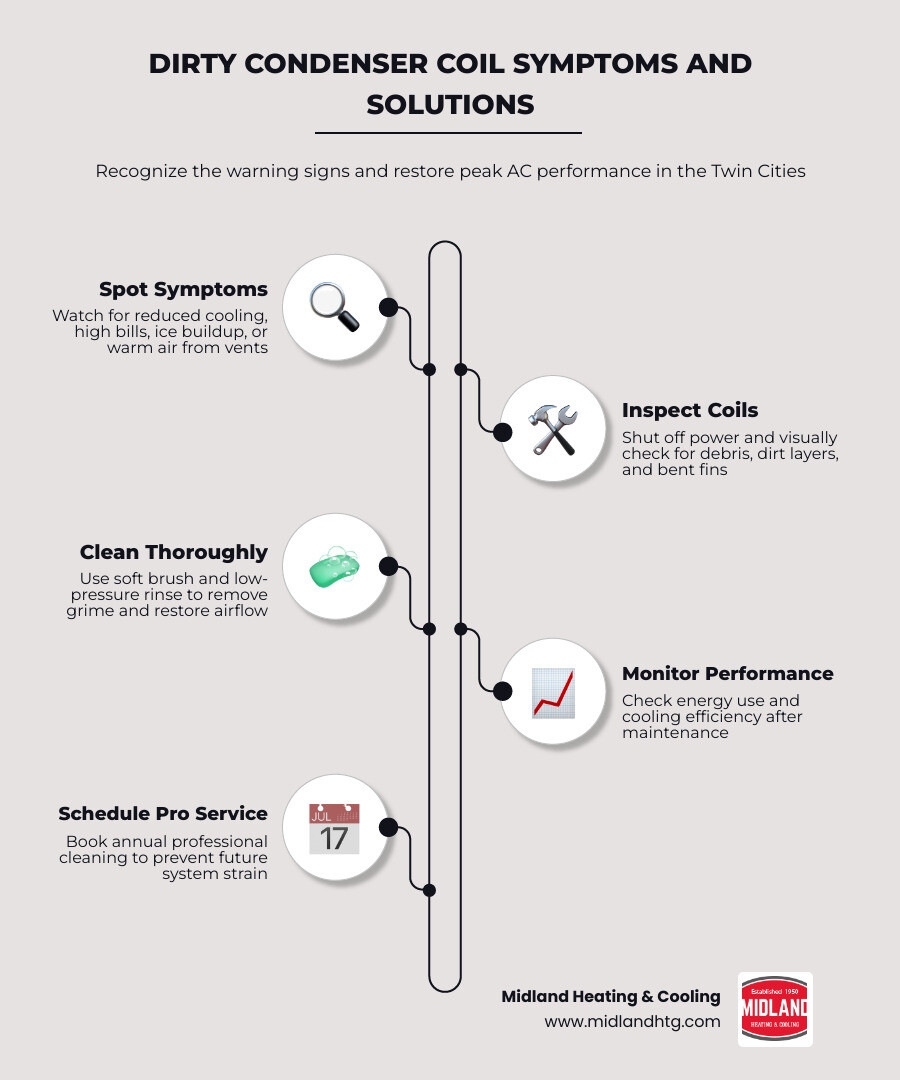
Recognizing Dirty Condenser Coil Symptoms and Solutions for Your Home
The condenser coil is the “unsung hero” of your outdoor AC unit. Its primary job is heat transfer. As the refrigerant cycles through your system, it absorbs heat from inside your home and carries it to the outdoor unit. The condenser coil then releases that heat into the outside air. However, when the coil is covered in a layer of grime, it acts like a thermal blanket, trapping the heat inside.
One of the most startling visual cues is seeing ice buildup on the refrigerant lines. It seems counterintuitive—why would a hot unit freeze? When the system can’t shed heat efficiently, the pressure and temperature balance of the refrigerant cycle is thrown off, leading to frozen coils. If you notice this, or if your vents are blowing lukewarm air, you are likely dealing with a classic case of dirty condenser coil symptoms and solutions.
When heat cannot escape, your air conditioner has to run much longer to reach the temperature set on your thermostat. These long run cycles don’t just make your house less comfortable; they put massive strain on the compressor. Think of it like driving your car uphill with the parking brake on—eventually, something is going to break. Why Is AC Not Cooling Properly is a question we hear often in May 2026, and the answer is frequently found right there in the outdoor unit.
Identifying Common Dirty Condenser Coil Symptoms and Solutions
Beyond the obvious lack of cooling, there are subtle “cries for help” your AC might be making.
- Short Cycling: This is when your AC turns on and off rapidly. Because the unit is overheating due to dirty coils, it may trigger a safety shut-off, only to try and restart once it cools down slightly.
- Unusual Noises: A struggling compressor or a fan motor trying to pull air through a wall of dirt will often buzz, grind, or hum louder than usual.
- Visible Debris: If you walk out to your unit in Edina or Minnetonka and see it caked in mud, grass clippings, or spider webs, you don’t need a magnifying glass to know there’s a problem.
If you aren’t sure if the issue is the coil or something else, our Home AC Troubleshooting Guide What To Check Before Calling HVAC can help you narrow down the possibilities before you pick up the phone.
How Dirty Coils Impact Your Twin Cities Energy Bills
In the Minneapolis-St. Paul metro area, we value efficiency. Unfortunately, a dirty coil is the enemy of your wallet. When the heat dissipation process is hindered, your system consumes significantly more electricity to achieve the same cooling effect. Research shows that even a thin layer of dust can result in a 30% energy increase.
This isn’t just about the monthly bill, though. The extra component wear shortened the system’s lifespan. An AC unit that should last 15 years might fail at year 10 because it spent five years “redlining” just to keep up with the heat. Following Essential AC Maintenance Tips is the best way to keep your carbon footprint low and your bank account full.
Environmental Factors: What Causes Blocked Coils in the Twin Cities?
Living in the Twin Cities means dealing with unique environmental challenges. Our beautiful landscape is often the source of our HVAC headaches.
- Cottonwood Seeds: In late spring and early summer, these fluffy “snowflakes” are the #1 enemy of outdoor AC units in places like St. Louis Park and Hopkins. They stick to wet coils and create a literal carpet that blocks airflow.
- Pollen and Dust: High pollen counts and dust from nearby gravel roads or construction sites create a fine film that insulates the copper or aluminum fins.
- Pet Hair: If you have a dog that loves to lounge near the AC unit, their fur can easily be sucked into the fins.
- Vegetation: Creeping vines or overgrown shrubs can physically block the air from entering the unit.
| Debris Type | Impact Level | Common Twin Cities Source |
|---|---|---|
| Cottonwood | Extreme | Local Parks/River Valleys |
| Grass Clippings | High | Lawn Mowing |
| Dust/Dirt | Moderate | Construction/Roads |
| Leaves/Twigs | Moderate | Overhanging Trees |
Why Regular AC Service Crucial becomes apparent when you realize how quickly these local factors can turn a clean unit into a clogged mess.
How to Safely Inspect and Clean Your Condenser Coils

Before you grab the hose, safety is paramount. Never attempt to clean your AC unit while the power is on.
- Shut off the Power: Locate the disconnect box near the outdoor unit and pull the “pullout” or flip the switch to the “off” position. For extra safety, turn off the AC breaker in your main electrical panel.
- Visual Inspection: Look for bent fins or heavy buildup. If the fins are crushed, you may need a “fin comb” to gently straighten them.
- Remove Large Debris: Use your hands (wear gloves!) to pull away leaves, sticks, or large clumps of cottonwood from the exterior.
- Gentle Rinse: Using a standard garden hose with a spray nozzle, rinse the coils. Pro Tip: Aim the water from the inside out if possible, to push the dirt out the way it came in. Avoid using a pressure washer, as the high-pressure stream can easily flatten the delicate metal fins, causing permanent damage.
For residents looking for a professional touch, an AC Tune Up Minneapolis ensures that the cleaning is done deeply and safely, checking all those hard-to-reach areas.
DIY Dirty Condenser Coil Symptoms and Solutions for Homeowners
If you’re a hands-on homeowner in Eden Prairie or Wayzata, you can manage basic maintenance. Beyond cleaning the coils, ensure you have at least 2 to 3 feet of clear space around the entire unit. Trim back any hostas, bushes, or tall grass that might be encroaching.
Also, indoor maintenance affects the outdoor unit. A clogged air filter restricts airflow across the indoor coil, which can lead to the same freezing symptoms we see with dirty outdoor coils. To Prevent AC Problems Before Summer Arrives, make it a habit to check your filters monthly.
Professional vs. DIY: When to Call a Technician in Bloomington
While a garden hose is great for surface dirt, some situations require the “big guns.” If your coils are caked in grease (common if the unit is near an outdoor grill or a commercial kitchen) or if the dirt is packed deep into the “sandwich” of the coil layers, a DIY rinse won’t cut it.
You should definitely call us for an AC Repair Bloomington MN if you notice:
- Bent Fins: Large areas of flattened metal that prevent air from passing through.
- Hissing Noises: This often indicates a refrigerant leak, which is a job for a certified pro. Signs AC Refrigerant Needs Inspection include oily residue on the coils or bubbling sounds.
- Electrical Issues: Frayed wires or burnt-smelling components.
- Warranty Concerns: Many manufacturers require proof of professional maintenance to keep the warranty valid.
By choosing to Schedule Pre-Summer AC Maintenance, you ensure that a professional uses the correct non-caustic chemical cleaners that dissolve grime without eating away at the aluminum fins.
Frequently Asked Questions about AC Coil Maintenance
How often should I clean my condenser coils in Minnesota?
In the Twin Cities, we recommend at least one major cleaning per year, ideally in the spring before the cooling season starts. However, if you live in an area with heavy cottonwood (like near the Mississippi River or in heavily wooded parts of Edina), you might need a quick visual check and rinse every month during June and July.
Can a dirty condenser coil cause my AC to freeze up?
Yes! It sounds like a paradox, but when the outdoor coil can’t release heat, the refrigerant doesn’t cycle correctly. This causes the indoor evaporator coil to drop below freezing, turning the condensation on the coils into a block of ice. This restricted airflow eventually leads to a total system shutdown.
Will cleaning my coils improve my indoor air quality?
Indirectly, yes. While the condenser coil is outside, a system that struggles to breathe often creates moisture issues indoors. Dirty coils can lead to higher humidity levels, which encourages mold and bacteria growth in your ductwork. In extreme, neglected cases, standing water in drain pans can even become a breeding ground for Legionella bacteria. Keeping the whole system clean is a win for your health.
Conclusion
At Midland Heating & Cooling, we’ve spent over 70 years helping our neighbors in Minneapolis, St. Paul, and the surrounding suburbs stay comfortable. We know that dirty condenser coil symptoms and solutions can feel overwhelming, but they don’t have to be. Whether you need a simple cleaning or a complex repair, our family-owned team is here to ensure your system runs efficiently all summer long.
Don’t let a layer of dust stand between you and a cool home. From Bloomington to Wayzata, we are your local HVAC experts. Schedule your professional AC repair in Minneapolis today and experience the peace of mind that comes with 100% customer satisfaction.